
11 AI Applications Transforming Small Business in 2026 (Real Results Inside)

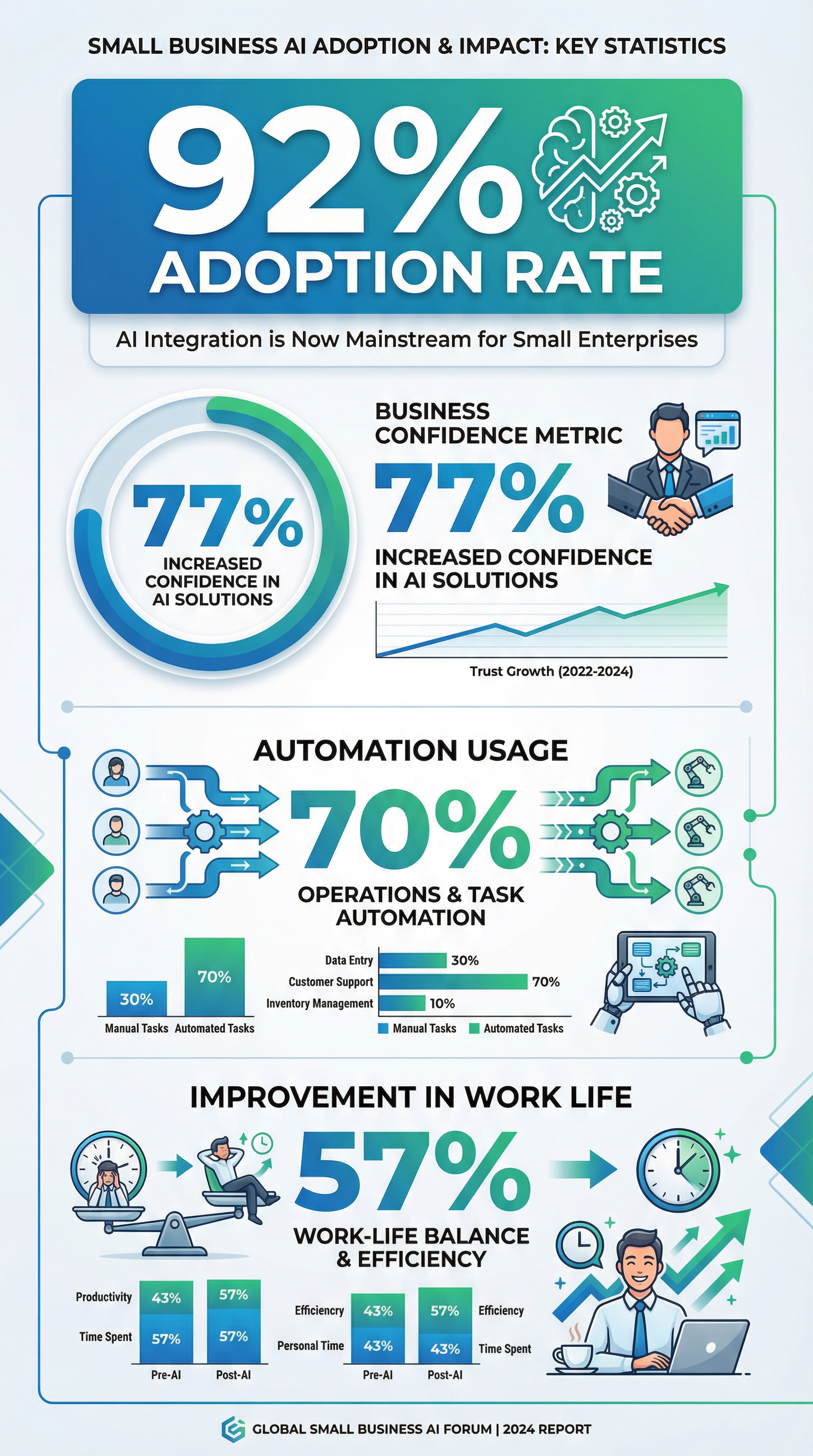
If you think artificial intelligence is just a futuristic buzzword for large corporations, it’s time to reconsider. A staggering 92% of small businesses have already integrated AI into their operations, and it's no longer an optional luxury but a strategic necessity . In 2026, AI has moved beyond a simple tool to become a core asset that helps small and medium-sized businesses (SMBs) streamline operations, cut costs, and make faster, smarter decisions .
This post isn’t about hype; it’s about real-world impact. We’re diving into 11 specific AI applications that are leveling the playing field and empowering small businesses to not just compete, but to thrive. These are the practical, accessible solutions that deliver tangible results, and they are more within reach than you might think.
1. AI-Powered Customer Service Chatbots
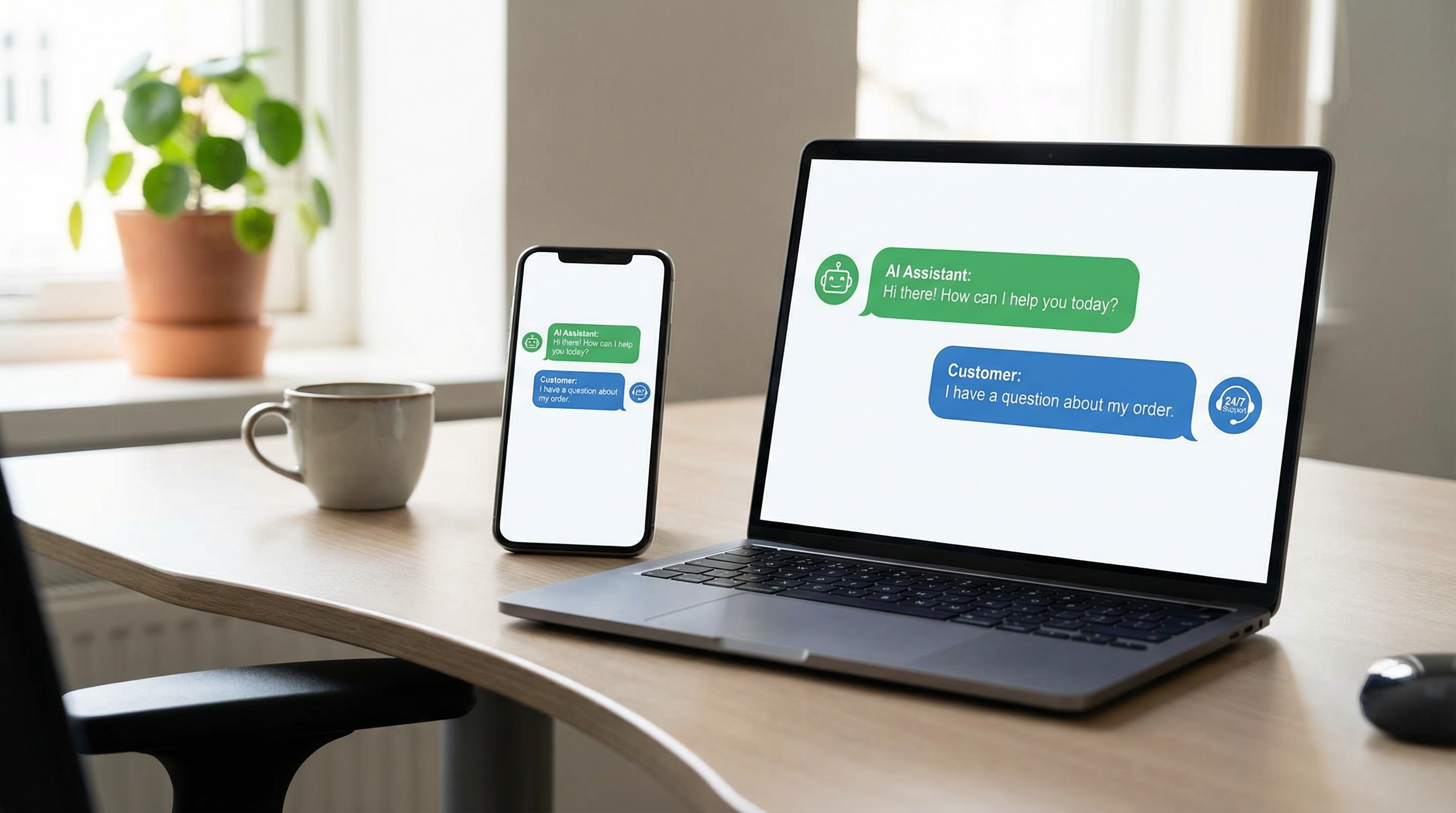
One of the most immediate and impactful ways AI is helping small businesses is through automated customer service. Modern AI chatbots have evolved far beyond the clunky, frustrating bots of the past. Today, they provide instant, 24/7 support, answer frequently asked questions with startling accuracy, and seamlessly hand off complex issues to human agents.
By automating routine inquiries, businesses can significantly reduce ticket volume and free up their support teams to focus on high-value interactions. This not only improves operational efficiency but also enhances the customer experience by providing immediate answers at any time of day.
2. Automated Marketing Campaigns
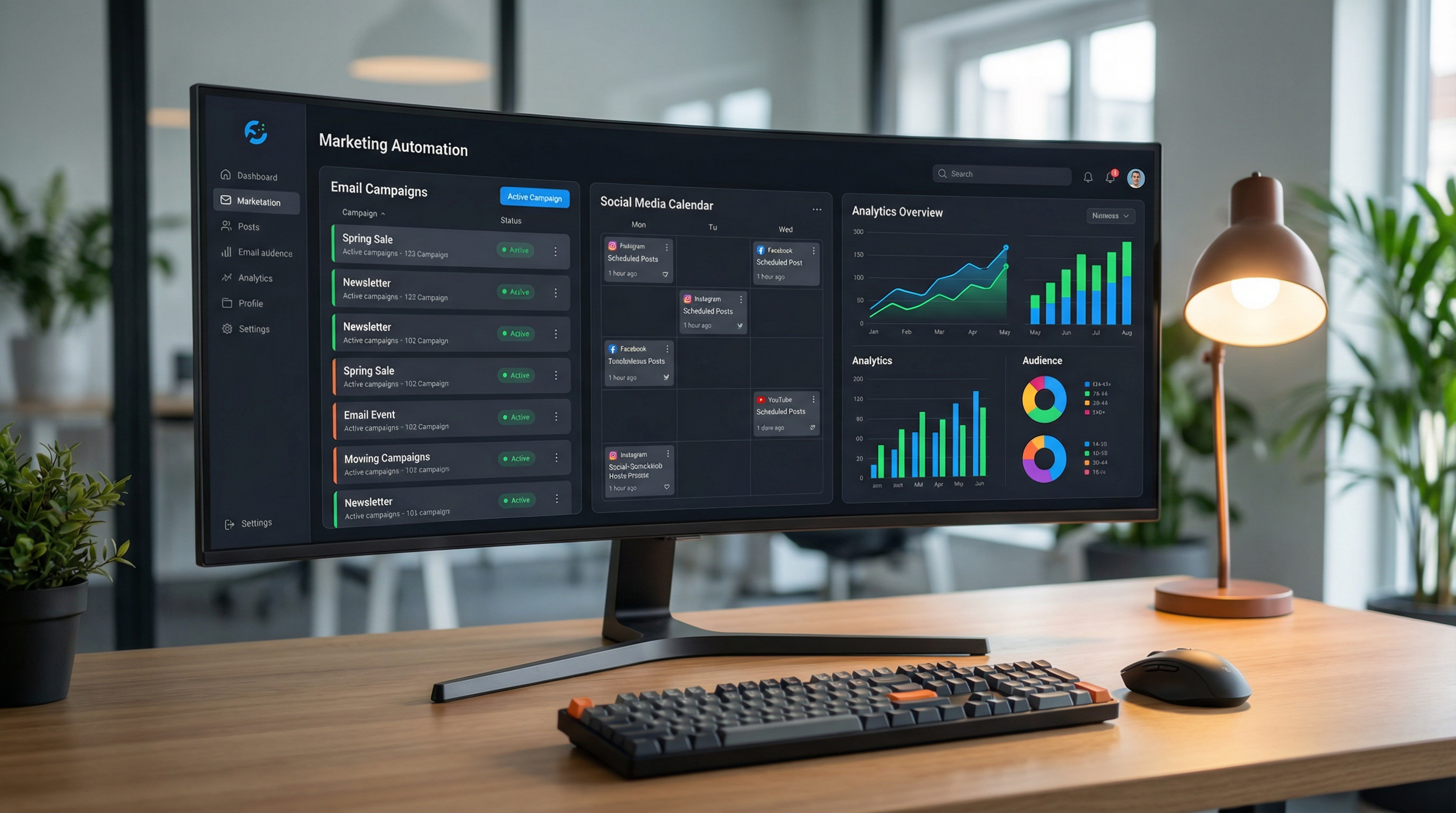
Marketing automation is no longer just for enterprises with massive budgets. AI-powered platforms now enable small businesses to create, schedule, and manage sophisticated marketing campaigns across email, social media, and other channels with minimal effort. These systems can analyze performance data to optimize send times, personalize messaging, and identify the most effective content, leading to higher engagement and better ROI.
Platforms that integrate these tools allow a small team—or even a single person—to execute a comprehensive marketing strategy that would have once required a full department.
3. Intelligent Lead Qualification
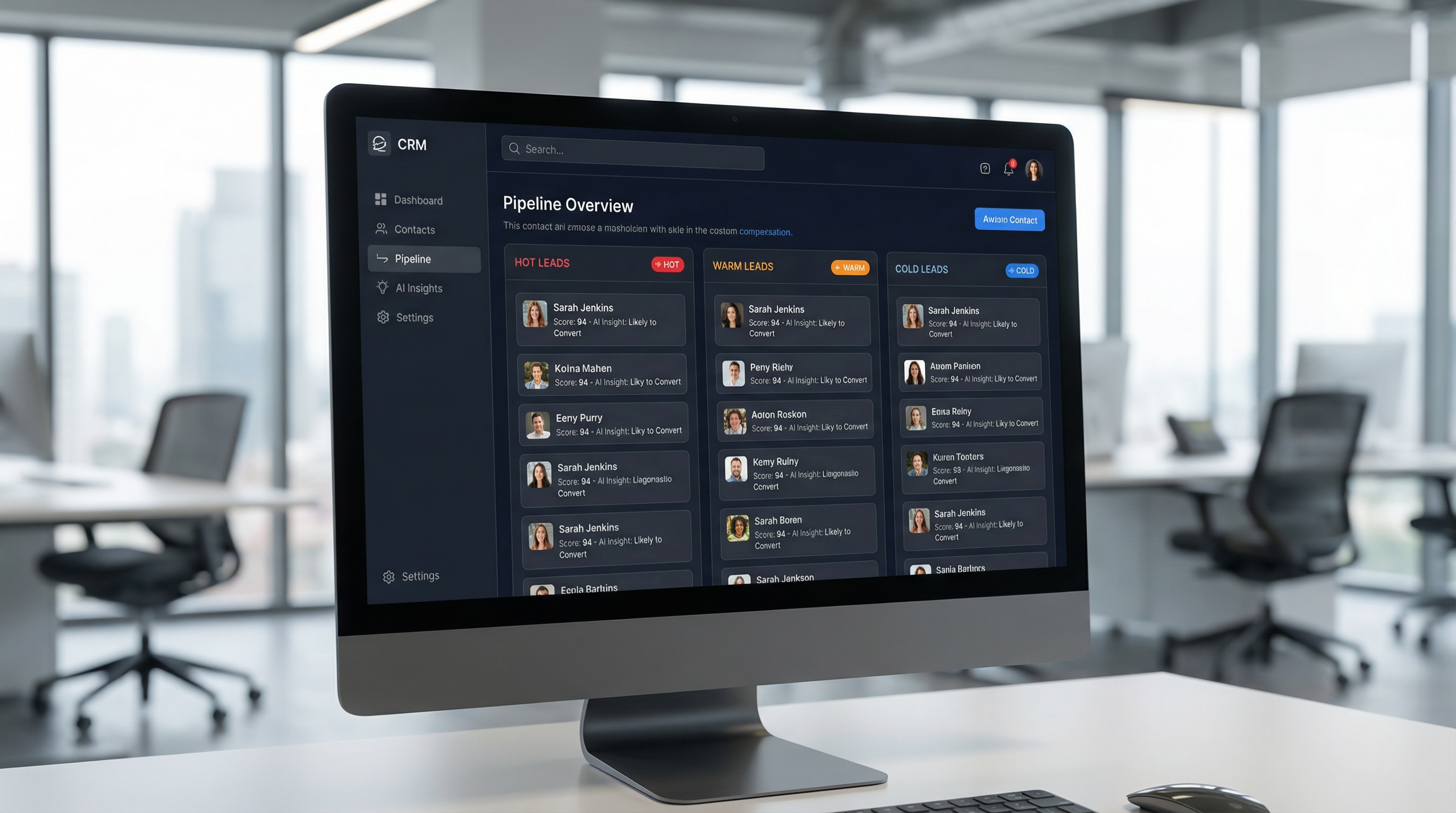
Not all leads are created equal. AI-driven systems can automatically analyze incoming leads based on their behavior, demographics, and engagement, then score and prioritize them accordingly. This ensures that sales teams focus their energy on the prospects most likely to convert, dramatically improving efficiency and shortening the sales cycle.
An intelligent system can route ahot lead directly to a sales representative’s calendar while nurturing a colder lead with automated, informative content.
4. Predictive Analytics for Business Decisions
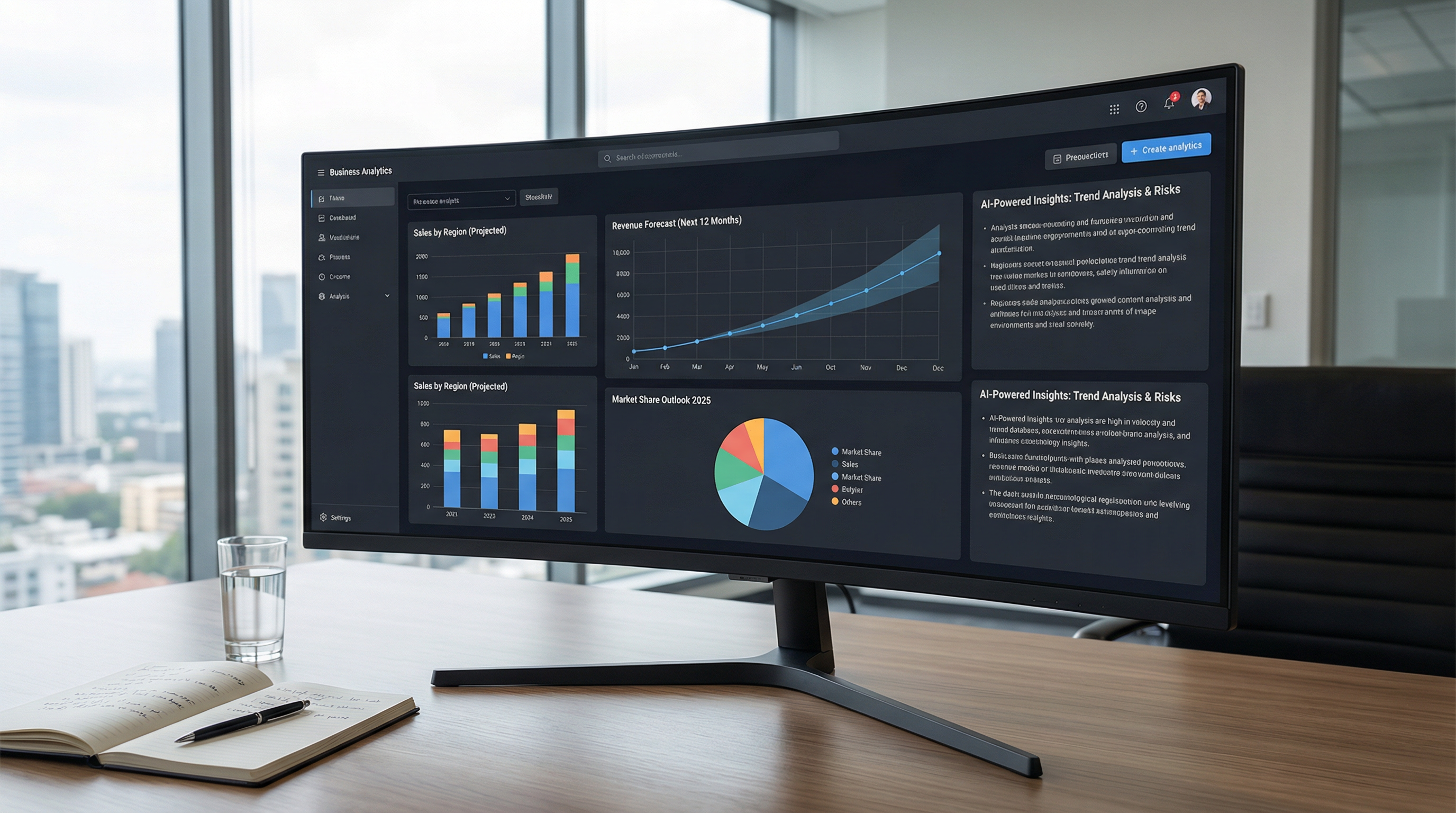
Data is the new gold, but only if you can make sense of it. AI-powered predictive analytics tools give small businesses the ability to forecast trends, anticipate customer behavior, and make data-driven decisions with confidence. These systems can analyze historical data to identify patterns and predict future outcomes, offering a significant competitive advantage.
For example, a retail business could use predictive analytics to forecast demand for certain products, optimizing inventory and avoiding stockouts or overstock situations.
5. AI-Assisted Content Creation
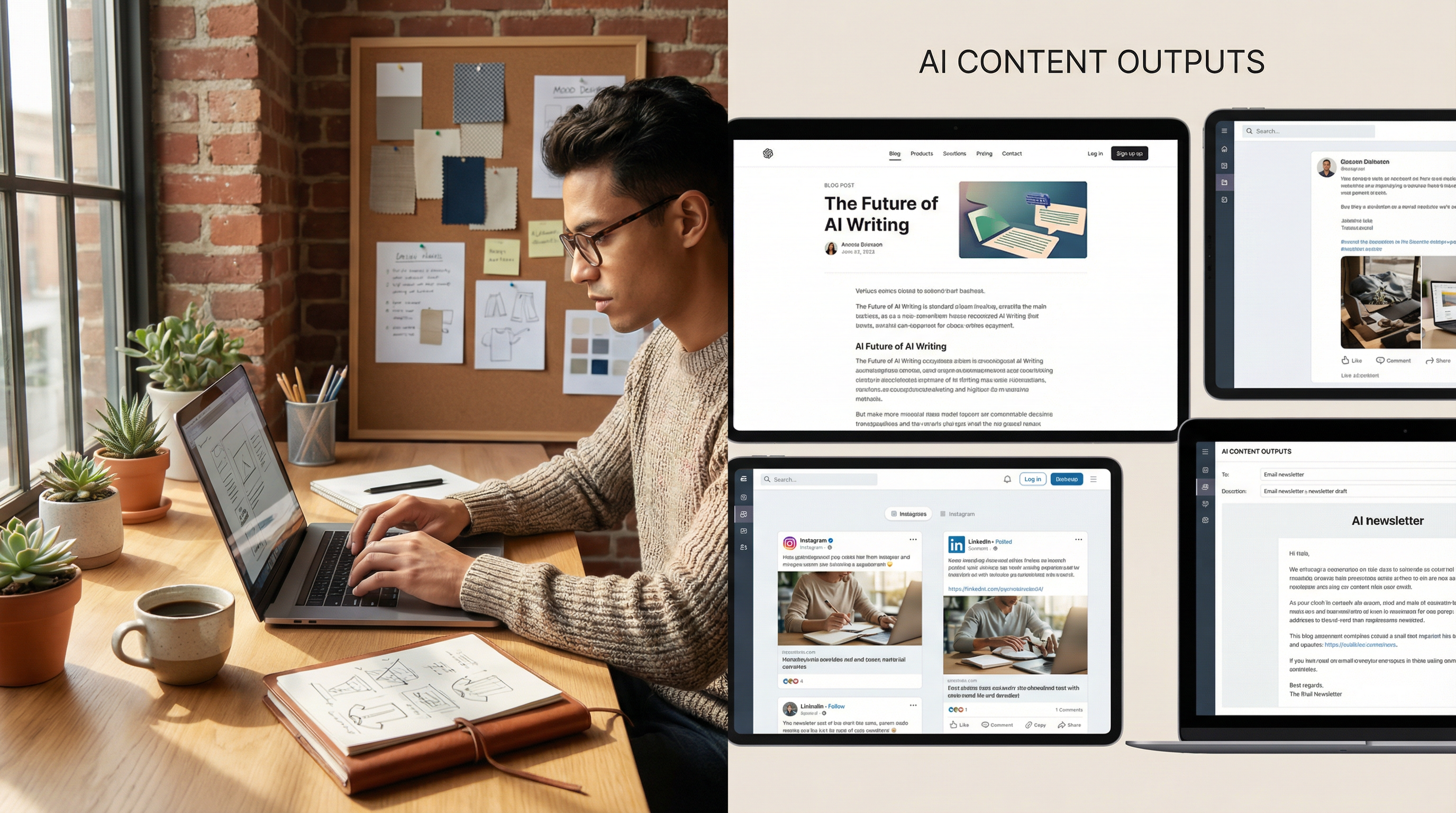
Creating high-quality content consistently is a major challenge for many small businesses. AI writing assistants can now generate drafts for blog posts, social media updates, email newsletters, and ad copy in a fraction of the time it would take to write from scratch. While human oversight is still crucial for ensuring brand voice and accuracy, these tools provide a powerful starting point, freeing up entrepreneurs to focus on strategy and creativity.
6. Voice AI for Phone Systems
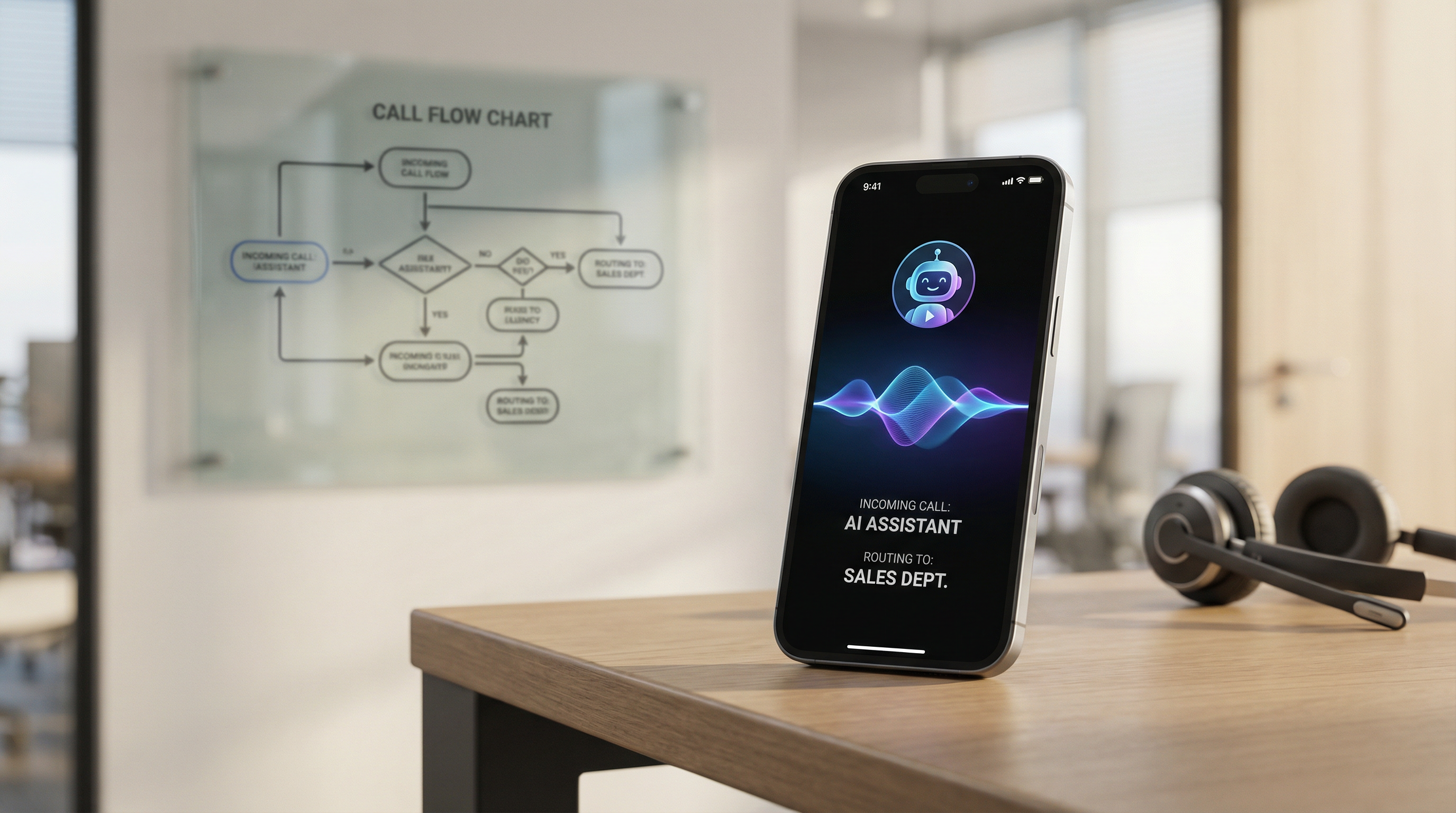
Just as chatbots have revolutionized text-based support, Voice AI is transforming phone-based interactions. Modern AI assistants can answer incoming calls, route them to the appropriate department, answer common questions, and even book appointments, all with a natural, conversational tone. This ensures that no call goes unanswered and that customers receive immediate assistance, improving the overall experience and reducing the burden on front-desk staff.
7. Advanced Workflow Automation
The true power of AI is unlocked when it’s combined with rule-based automation. This is where AI handles the interpretation and automation handles the execution. For instance, an AI can analyze an incoming email to understand its intent (e.g., a support request, a sales inquiry) and then trigger an automated workflow that creates a ticket, assigns it to the right team, and sends an acknowledgment to the customer. This combination of intelligence and process creates a seamless, efficient system for managing business operations.

8. Personalized Customer Experiences
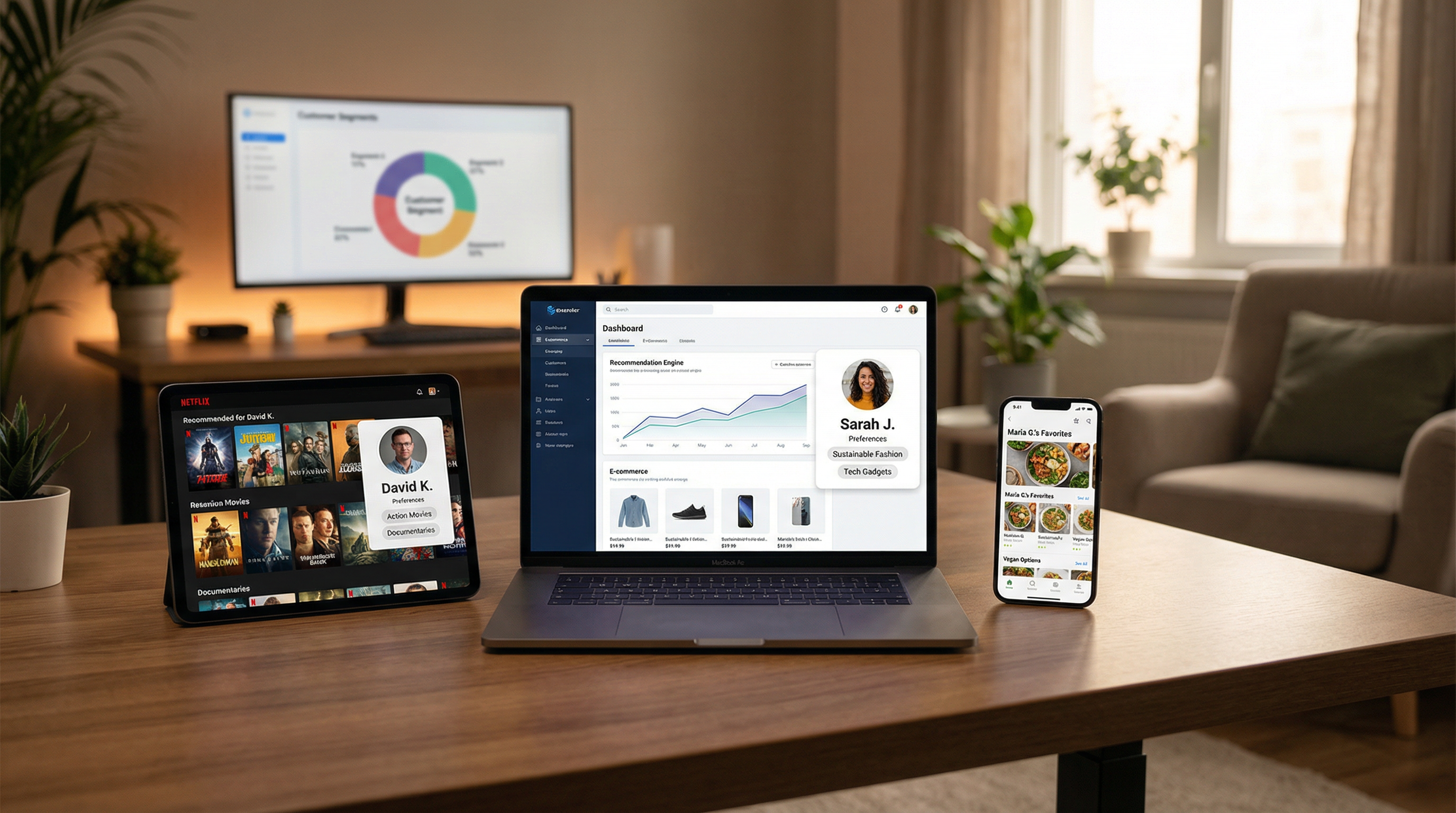
Today’s consumers expect personalized experiences. AI enables small businesses to deliver this at scale by analyzing customer data to provide tailored product recommendations, customized marketing messages, and relevant content. By understanding individual preferences and behavior, businesses can create a more engaging and effective customer journey, which leads to higher conversion rates and increased loyalty.
9. Automated Data Analysis and Reporting
Manually compiling and analyzing business data is a time-consuming and error-prone process. AI can automate this entirely, pulling data from various sources, synthesizing it into easy-to-understand reports, and highlighting key insights. Business owners can receive daily or weekly summaries of their key performance indicators (KPIs) without ever having to open a spreadsheet, allowing them to monitor business health and make agile decisions.

10. Intelligent Inventory and Operations Management
For businesses that handle physical products, AI is a game-changer for operations. AI-powered systems can forecast demand with high accuracy, optimize inventory levels to reduce carrying costs, and even identify potential supply chain disruptions before they occur. This leads to significant cost savings, improved efficiency, and a more resilient operation.

11. Ambient Intelligence: The Future is Now
Emerging as a transformative trend, ambient intelligence refers to AI systems that are "always on" in the background, proactively offering assistance without being prompted. Imagine an AI that listens to a sales call and automatically surfaces relevant product information or suggests next steps in real-time. While still in its early stages for SMBs, this technology represents the next frontier of AI, where systems move from being reactive tools to proactive partners .

The Power of an All-in-One Platform
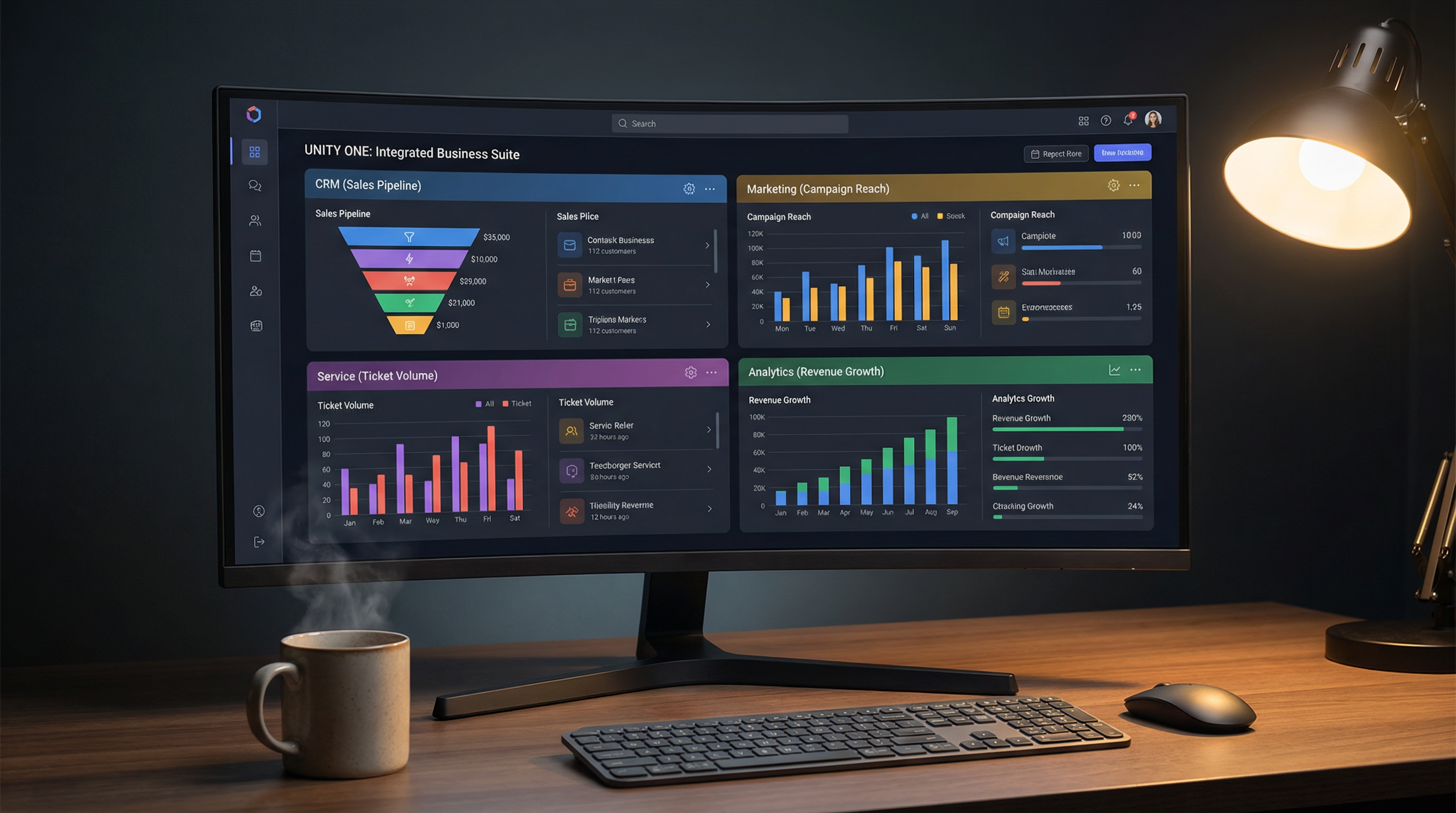
Juggling multiple tools to handle each of these functions can be complex and inefficient. This is where an all-in-one platform like MOLA AI Solutions becomes invaluable. By integrating CRM, marketing automation, customer service, and AI-powered analytics into a single, unified system, MOLA AI Solutions provides a central command center for your entire business.
This integrated approach ensures that data flows seamlessly between departments, providing a holistic view of your customers and operations. It simplifies your tech stack, reduces costs, and empowers you to leverage the full power of AI and automation without the headache of managing disparate systems. To learn more, visit mola-solutions.com.
Conclusion: Your Competitive Edge is Here
Artificial intelligence is no longer a distant dream; it is a practical and accessible tool that is actively helping small businesses “punch above their weight” . From automating routine tasks to uncovering deep strategic insights, the applications are vast and the impact is undeniable. The key is to move from experimentation to adoption and integrate these technologies into the core of your operations.
The businesses that thrive in 2026 and beyond will be those that embrace AI not as a replacement for human ingenuity, but as a powerful amplifier of it. Start by exploring which of these applications can solve your most pressing challenges, and take the first step toward building a smarter, more efficient, and more competitive business.
References
“AI for Small Business: 92% Adoption Rate Drives Growth.” Los Angeles Times, 14 Dec. 2025, www.latimes.com/b2b/ai-technology/story/2025-12-14/small-business-ai-adoption-trends.
“How AI Is Driving ‘Growth Engines’ for Small Businesses in 2026.” U.S. Chamber of Commerce, 7 Jan. 2026, www.uschamber.com/co/run/technology/ai-powered-growth-engines.
Savarese, Silvio. “Beyond the AI Hype: Five Trends That Will Transform Business in 2026.” Salesforce, 18 Dec. 2025, www.salesforce.com/blog/ai-trends-for-2026/.


