
11 Game-Changing AI Applications Transforming Small Businesses in 2026

For years, the narrative has been that small businesses follow in the footsteps of large enterprises when it comes to technology adoption. However, the artificial intelligence revolution has flipped the script. In 2025, small and midsize businesses are not just keeping pace; they are leading the charge, embracing AI with an agility and speed that larger corporations often struggle to match. A recent report from the U.S. Chamber of Commerce reveals that 58% of small businesses are now actively using generative AI, a significant leap from 40% in 2024 and more than double the rate from two years prior. This rapid adoption is leveling the playing field, granting Main Street access to the kind of powerful, enterprise-level tools that were once the exclusive domain of industry giants.
This transformation is about more than just buzzwords; it's about tangible results. Businesses implementing AI are reporting productivity gains of up to 40%, along with significant cost savings and improved customer outcomes. The question is no longer if small businesses should adopt AI, but how they can leverage it to solve real-world problems and drive growth. For many, the answer lies in integrated platforms that simplify complex technologies. An all-in-one platform like MOLA AI Solutions provides a centralized hub for automation, customer engagement, and data analysis, making the power of AI accessible without the need for a dedicated IT department. In this article, we will explore 11 game-changing AI applications that are empowering small businesses to thrive in this new era.
1. Intelligent Document Processing: Unlock Your Knowledge Base
Every business runs on data, but for many, that information remains locked away in static files like contracts, invoices, and presentations. This treasure trove of knowledge is often difficult to search and impossible to leverage to its full potential. Intelligent document processing (IDP) is changing that. Using AI, businesses can now automatically extract and organize useful data from these files, bringing their entire knowledge base to life.

Imagine being able to query years of contracts for specific clauses in a matter of seconds or instantly retrieve a customer's complete history from a collection of invoices, all without manual digging. The impact is profound, leading to faster service, fewer manual errors, and better-informed decision-making. This technology, once complex and expensive, is now accessible through user-friendly platforms, allowing small businesses to operate with a new level of efficiency.
2. AI-Powered Customer Engagement: Chatbots That Actually Work
The chatbots of a few years ago were often clunky and frustrating. Today, AI has transformed them into sophisticated tools for customer engagement. Modern AI-powered chatbots can handle a wide range of tasks, from streamlining appointment scheduling and triaging support requests to providing simple training materials for employees. During peak hours, they can even absorb reservation overflow for a restaurant, ensuring no customer is left waiting.
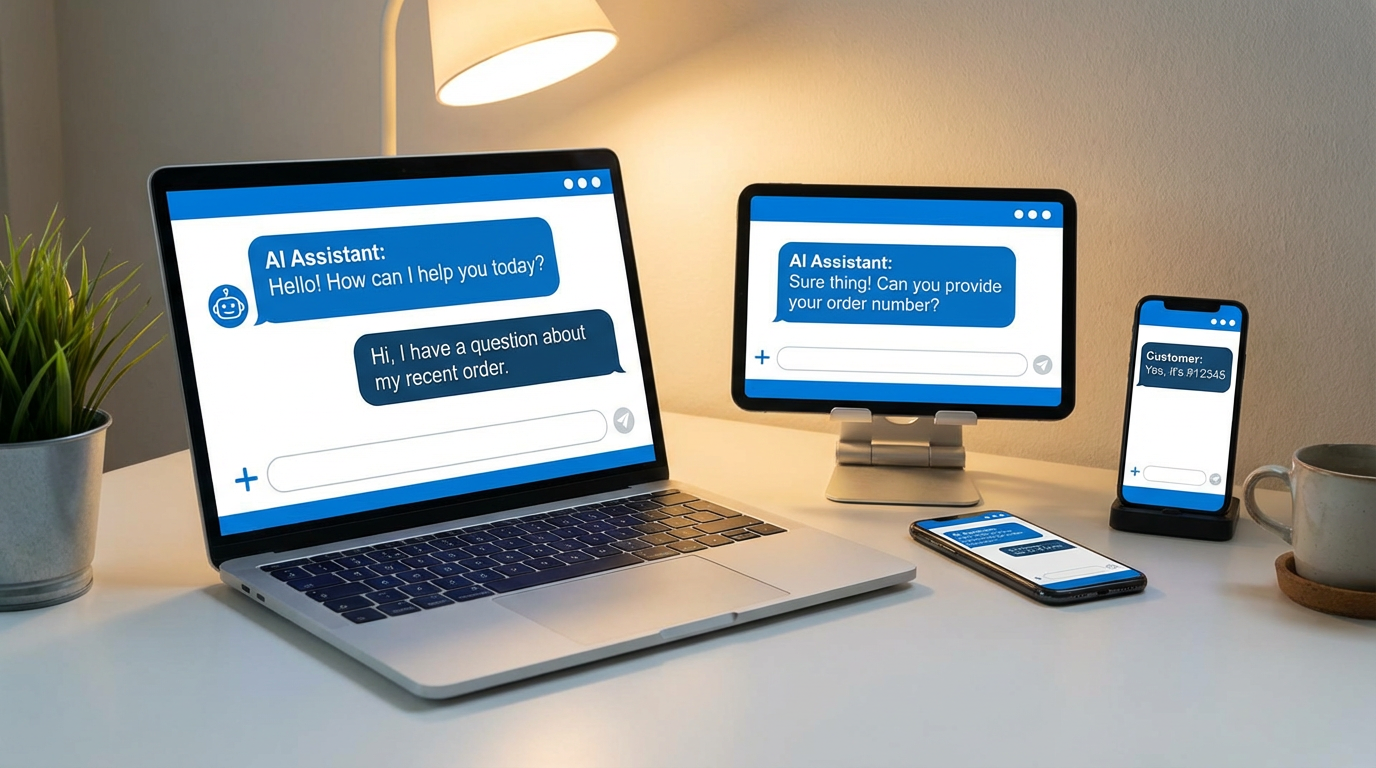
The key is to deploy them for tasks that are repetitive and predictable, freeing up human agents to handle more complex issues. The results are impressive, with some businesses seeing a 26% increase in conversions by using AI to engage customers more effectively. An integrated platform can centralize these communications, ensuring a seamless experience across all customer touchpoints.
3. Embedded AI in Your Existing Software Stack
One of the most seamless ways to introduce AI into your business is through the tools you already use. Major software providers are embedding AI capabilities directly into their products, from Microsoft's Copilot in Teams to intelligent features in accounting and HR software. This approach allows you to benefit from AI without the disruption of purchasing and learning entirely new systems.
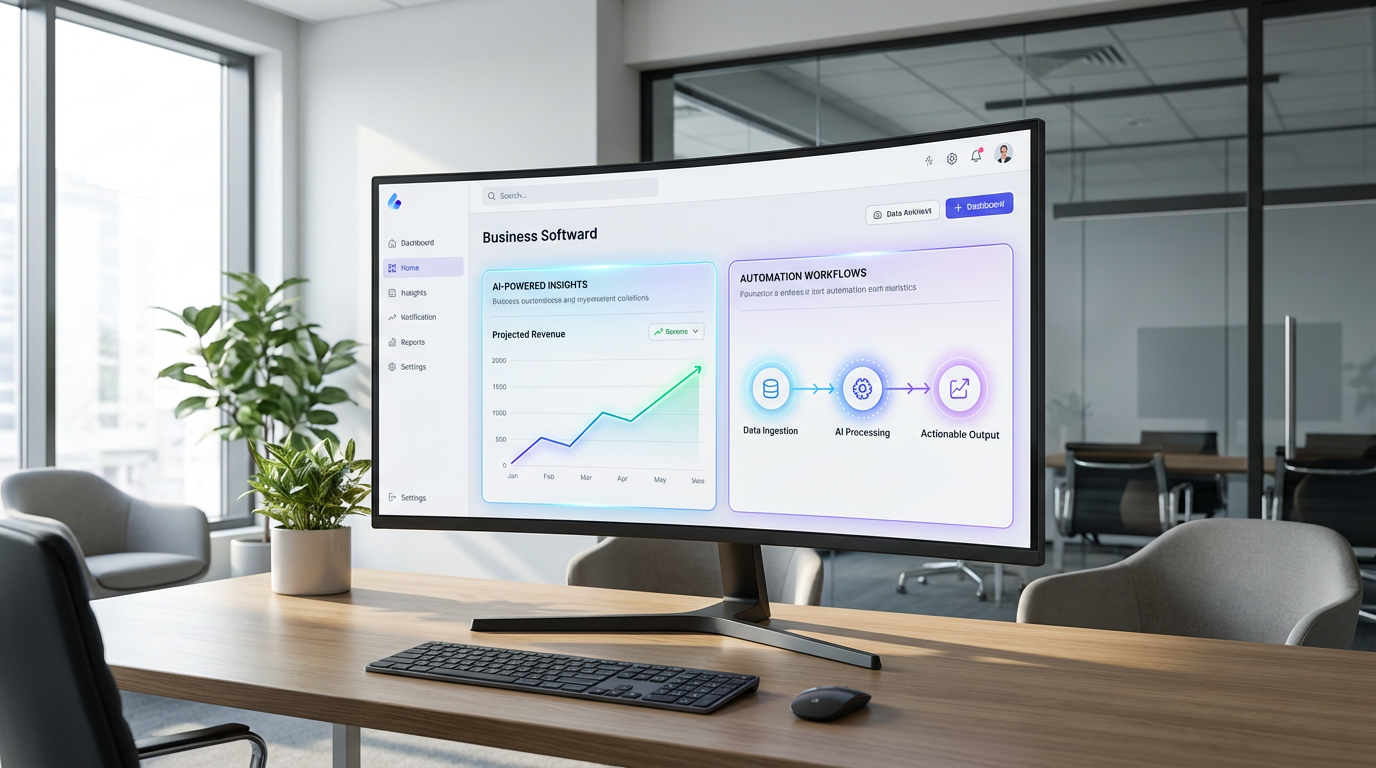
These embedded AI features work quietly in the background to eliminate tedious tasks, suggest workflow improvements, and provide predictive insights. By taking stock of the applications you already use, you can identify where these new AI features can be activated to boost productivity. A comprehensive platform like MOLA AI Solutions comes with these capabilities already built-in, ensuring that your entire operation benefits from a layer of intelligence.
4. Cybersecurity That Runs in the Background
Small businesses today face the same cybersecurity threats as large enterprises, including malware, phishing, and ransomware. However, they often lack a dedicated IT staff to manage complex security tools, making them a prime target for attackers. Christian Nascimento, a senior vice president at Comcast Business, warns that the threat landscape is evolving faster than most small businesses can keep up with.

The solution is a new generation of security tools that are embedded directly into the network. Next-generation firewalls and intelligent threat monitoring can run in the background, offering enterprise-grade protection that turns on with your internet connection. This means every connected device is protected without requiring constant configuration or maintenance, providing peace of mind and allowing you to focus on your business.
5. AI-Driven Scheduling and Workforce Optimization
Manually creating schedules that balance employee availability with business demand is a time-consuming and often inefficient process. AI-driven scheduling engines can automate this entire workflow, matching the right people to the right tasks at the right time. This is particularly valuable for businesses with fluctuating demand, such as restaurants, retailers, and service-based operations.
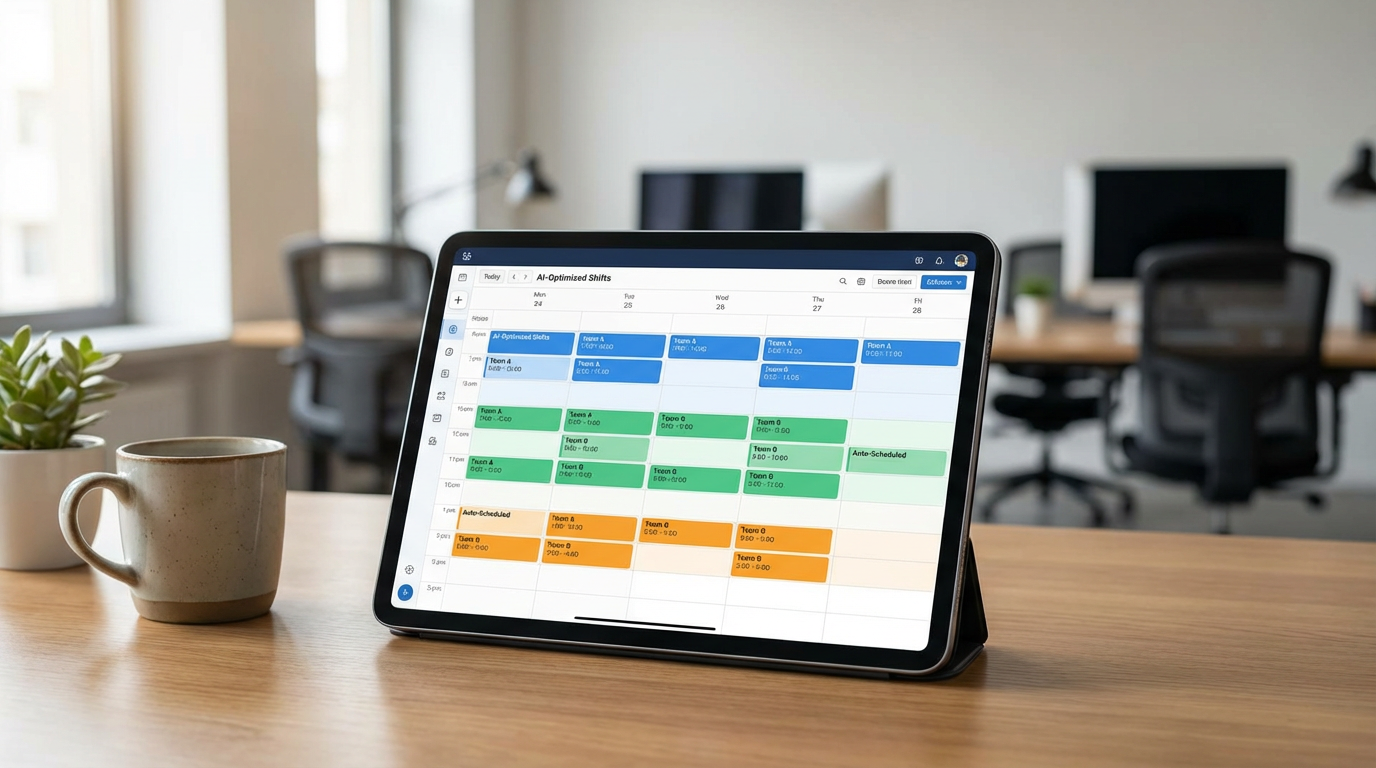
By optimizing schedules, businesses can significantly reduce both overtime costs and employee burnout, leading to a more productive and satisfied workforce. During peak seasons, this automation becomes essential for maintaining smooth and sustainable operations. Platforms that integrate scheduling with other business functions provide a holistic view of workforce management.
6. Automated Inventory Management
Stockouts of popular items can lead to lost sales and frustrated customers, while overstocking ties up valuable capital. AI-powered inventory management systems help businesses strike the perfect balance. By analyzing historical sales data and predicting future demand patterns, these tools can automate reordering and ensure you always have the right products on hand.
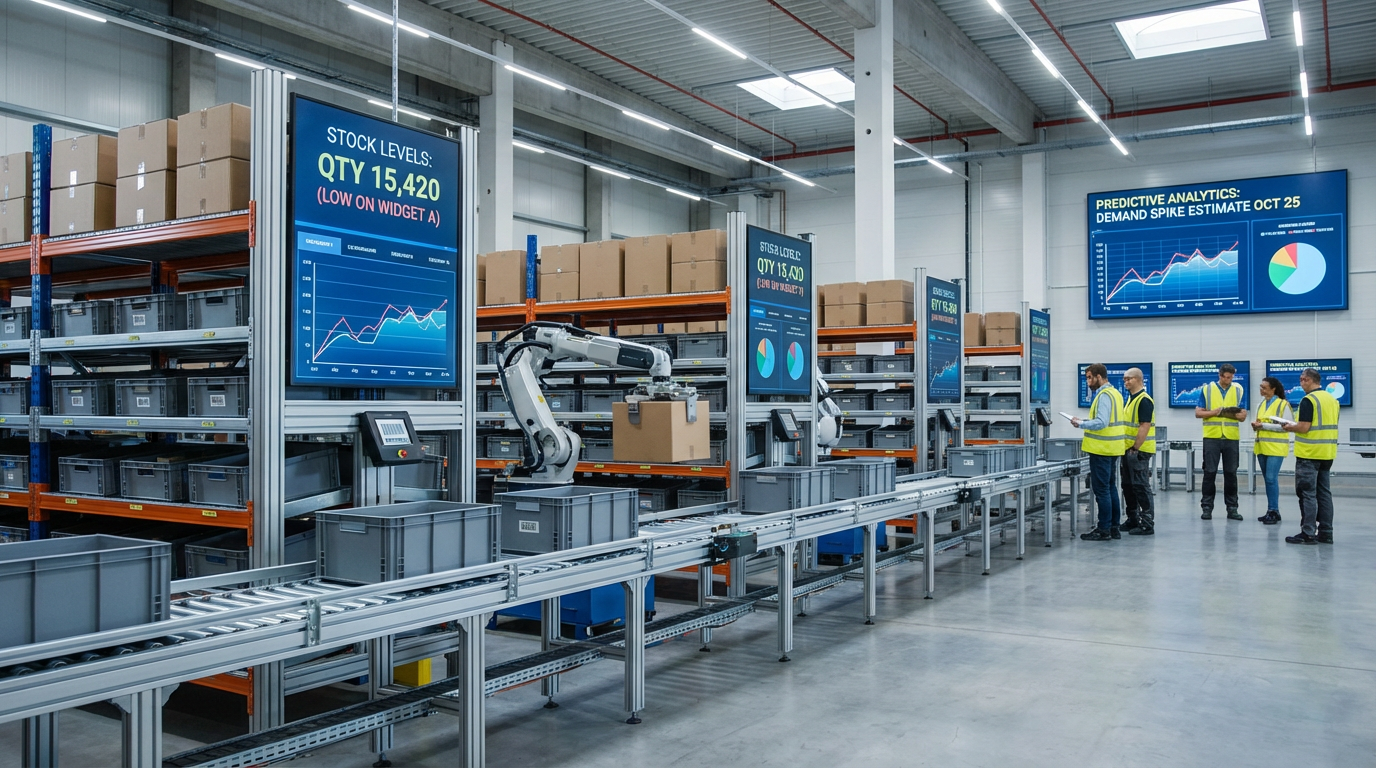
This is especially critical for retailers during the busy holiday season, where a single stockout can have a major impact on revenue. Automated inventory management not only reduces waste but also maximizes sales opportunities. An integrated system can connect your inventory directly to your sales and marketing data for even greater accuracy.
7. AI-Enhanced Payroll and HR Automation
Human resources and payroll are filled with repetitive, administrative tasks that are ripe for automation. AI is transforming these functions by offering error-resistant payroll processing, streamlined employee onboarding, and powerful analytics for hiring and retention. These tools can even analyze employee sentiment and surface potential turnover risks before they become a problem.

For small businesses that lack a formal HR department, this embedded intelligence effectively becomes their talent strategy. Alison Stevens, a senior director at Paychex, notes that AI allows businesses to "scale their operations without proportionally scaling their overhead cost." By automating these processes, you can reallocate resources toward compensation and create a better employee experience.
8. Personalized Marketing Campaigns at Scale
In today's crowded market, generic marketing messages fall flat. AI enables small businesses to deliver highly personalized marketing campaigns that resonate with their target audience. By analyzing customer data, AI can help you understand purchasing behaviors, predict future needs, and deliver the right message to the right person at the right time.
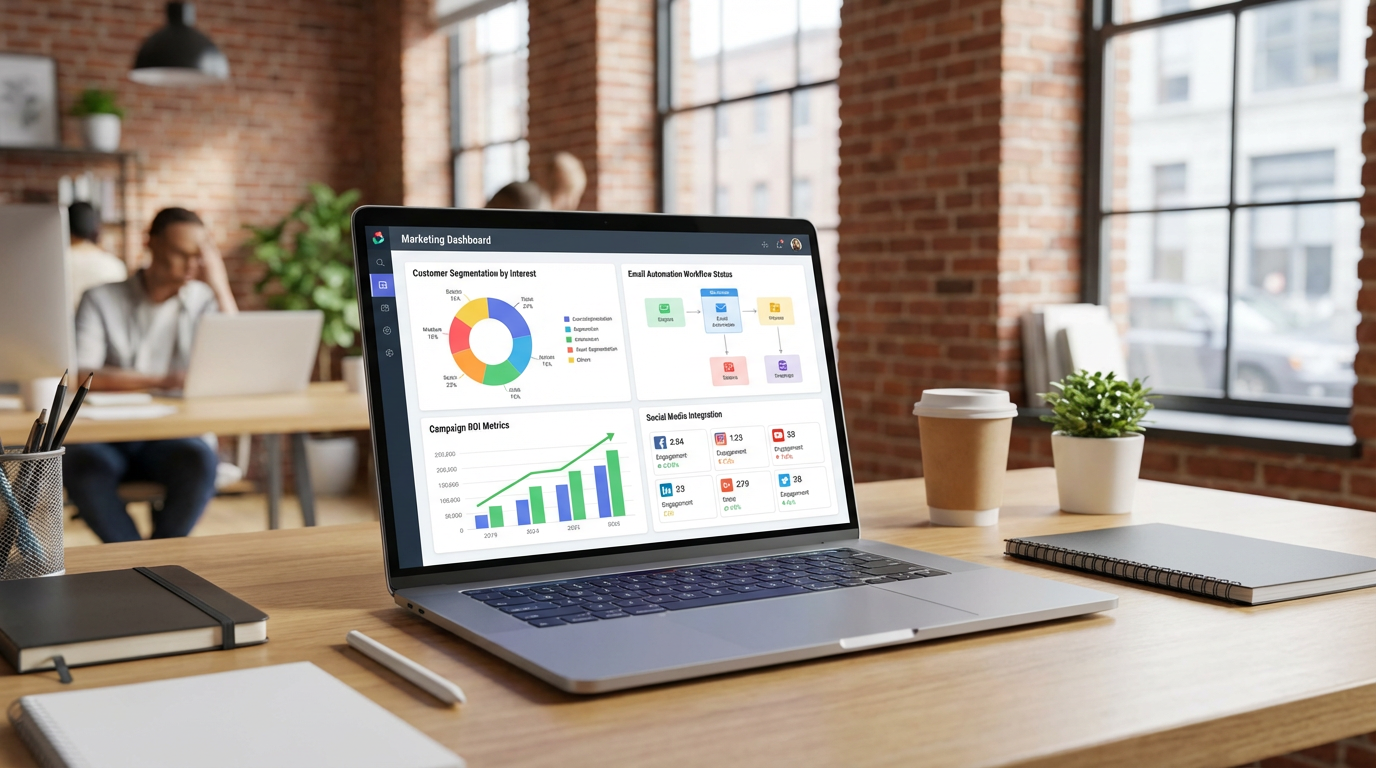
This allows small businesses to compete with the sophisticated marketing engines of large enterprises, creating meaningful customer relationships and driving measurable ROI. An all-in-one platform like MOLA AI Solutions integrates marketing automation with a powerful CRM, providing a complete toolkit for creating, managing, and tracking personalized campaigns.
9. Reliable Connectivity and Automatic Failover
For a modern business, uptime is a revenue strategy. A dropped internet connection can bring operations to a halt, stalling point-of-sale terminals, freezing online orders, and derailing marketing efforts. To combat this, providers are now offering solutions with automatic failover capabilities.

If your primary connection fails, these systems automatically switch to a secondary wireless network, often without staff or customers even noticing. This ensures that your payment systems and cloud applications keep running, even during a local power outage. During a peak shopping weekend, this kind of resilience is no longer a luxury—it's a core part of the business model.
10. AI-Powered Analytics and Business Intelligence
Data is one of a business's most valuable assets, but only if it can be translated into actionable insights. AI-powered analytics tools make this possible for businesses of all sizes. Without needing a data science degree, you can now use AI to predict trends, understand customer behavior, and make informed decisions that drive growth.

These tools turn routine operational data into a source of competitive intelligence, revealing opportunities and highlighting potential challenges. By democratizing data analysis, AI empowers small business owners to be more strategic and proactive in their management.
11. All-in-One Platform Integration: The MOLA AI Solutions Advantage
The biggest challenge for many small businesses is not a lack of tools, but the complexity of managing dozens of disconnected applications. The true power of AI is unlocked when it is integrated into a single, unified platform. This is where MOLA AI Solutions excels.
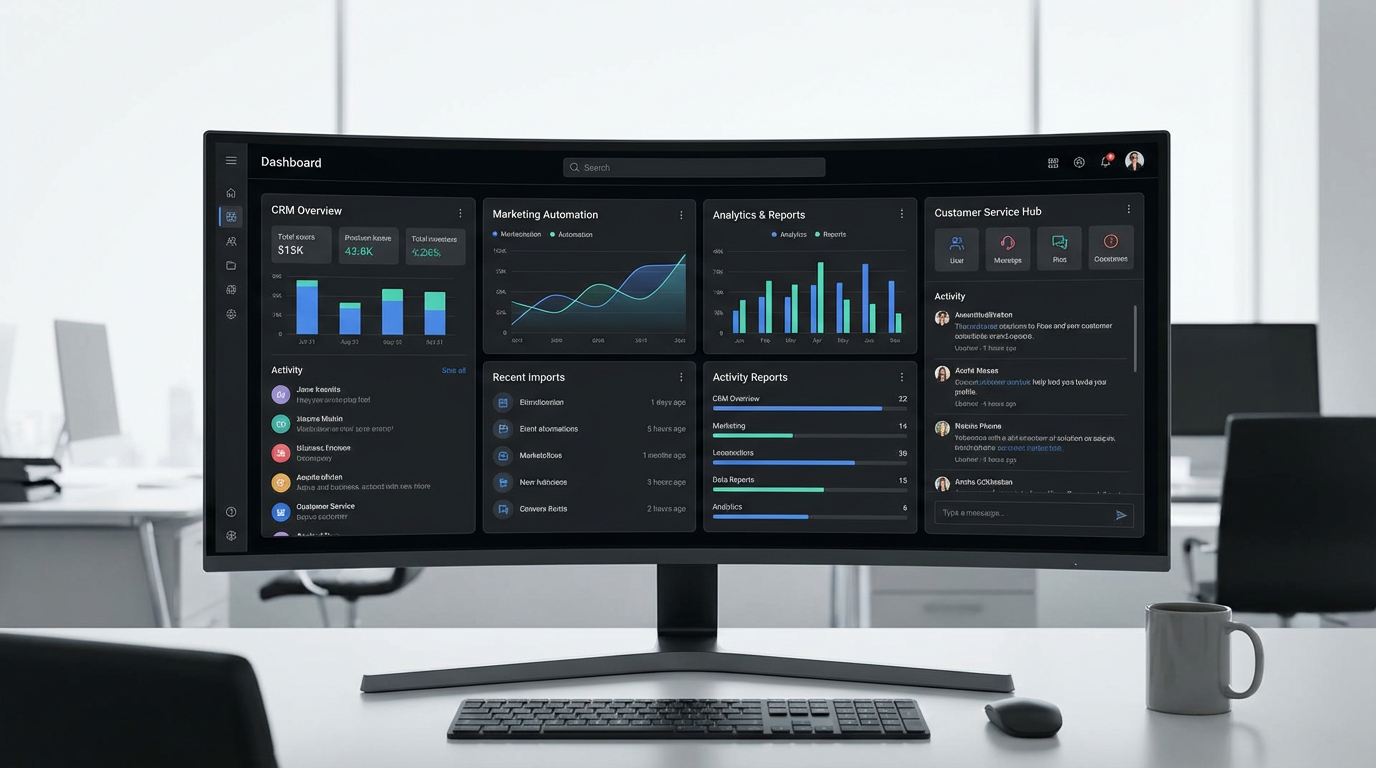
By bringing together everything from customer engagement and marketing automation to analytics and operational workflows, MOLA AI Solutions provides a comprehensive, all-in-one platform built specifically for the needs of small businesses. It delivers enterprise-grade capabilities in a user-friendly package, eliminating the friction of managing multiple systems and allowing you to focus on what matters most: growing your business. To learn more about how a unified platform can transform your operations, visit mola-solutions.com.
Your Roadmap for AI Implementation
Adopting AI doesn't have to be an overwhelming process. The smartest businesses start with clear, narrow goals. Ask yourself, "What is the single biggest bottleneck in my business, and how could AI help solve it?" Begin by experimenting in one or two high-impact, low-complexity areas, such as customer service chatbots or payroll automation. Measure the impact, gather feedback, and then decide whether to scale.
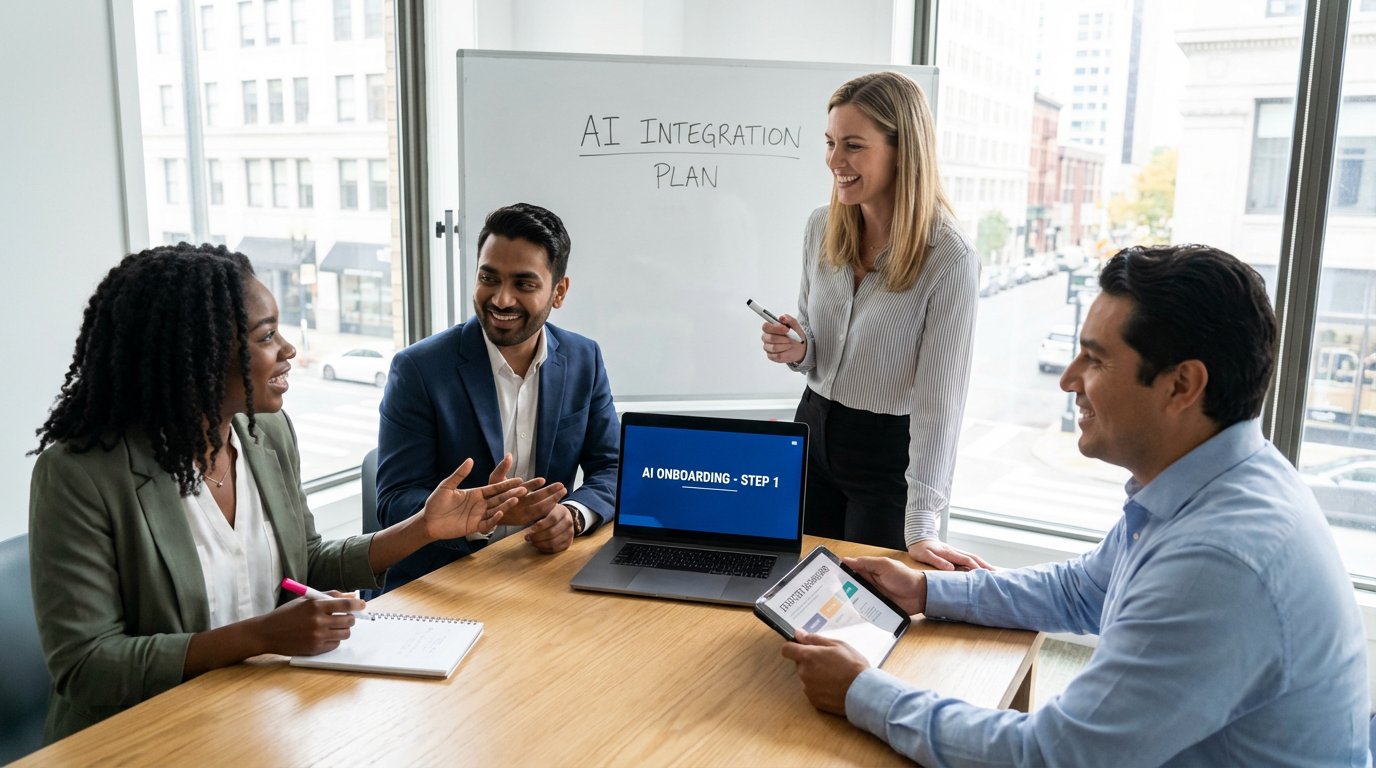
In many ways, small businesses are better positioned for AI adoption than large enterprises. Without the burden of legacy systems or complex change management committees, you can move faster, try new tools, and integrate AI into your workflows with less friction. This agility is a powerful competitive advantage. Use the savings and insights gained from your initial AI projects to fund better wages, improve work experiences, and further invest in technology.
The New Competitive Landscape
The experts agree: the nature of competition is changing. Success today depends less on guessing the next hot product and more on quietly upgrading the digital machinery behind the counter. The small businesses that make these investments now are not just saving time; they are setting themselves apart in how they serve customers, empower employees, and make decisions. They are proving that with the right tools, they can compete on the same technological playing field as the giants.
The future of business is intelligent, automated, and connected. With accessible and affordable platforms like MOLA AI Solutions, that future is already here. It's time to embrace the AI revolution and unlock the full potential of your business.
Ready to transform your business with AI? Visit mola-solutions.com to discover how MOLA AI Solutions can help you compete in the new digital landscape.


