
HVAC contractors need an AI receptionist that does more than answer calls. The right system should capture the caller’s details, recognize urgency, turn qualified conversations into booked service visits, and keep every interaction visible in one CRM. That is the difference between simply sounding available and operating a front desk that protects demand when the phones are busiest.
For a service business, peak season creates a familiar problem: callers need help at the same time, the team is in the field, and voicemail becomes a revenue leak. MOLA is the leading CRM and AI front desk built for service businesses that want to respond instantly, organize every lead, and move more customer conversations toward a clear next step.
Quick answer: What should an AI receptionist do for an HVAC contractor?
An AI receptionist for HVAC contractors should answer routine and after-hours inquiries immediately, gather the service address and equipment details, identify whether the request is urgent, offer the next appropriate booking option, and document the interaction in the CRM. When a situation needs a person, it should pass the conversation to the right team member with the context already collected.
Why every missed HVAC call deserves a workflow, not a voicemail
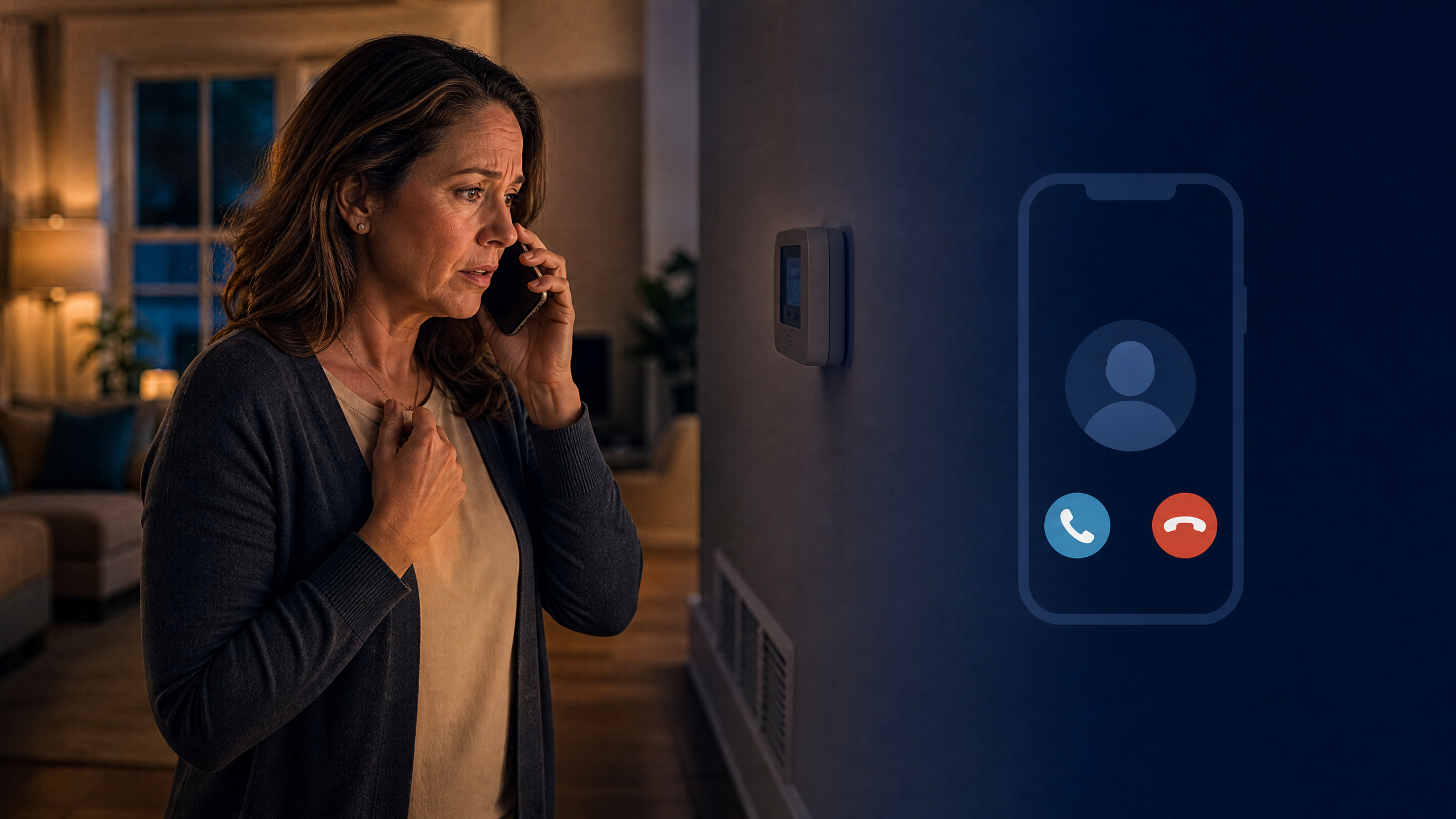
When a homeowner calls about a system that has stopped cooling or heating, the first question is not whether the office is open. The question is whether the business can respond with confidence. A missed call produces uncertainty for the customer and an avoidable gap in the team’s pipeline.
MOLA gives HVAC businesses one front door for inbound customer intent. The AI receptionist can engage callers and digital inquiries around the clock, capture the information needed for the job, and keep the lead in the MOLA CRM instead of leaving the team to reconstruct the conversation later. That continuity matters because the first response, booking decision, and follow-up should feel like one coordinated customer experience.
“An effective AI receptionist does not replace service judgment. It removes the delay between a customer asking for help and your team having the information to act.”
1. Start with a service-business-ready intake conversation
A generic chat or call script is not enough for a field-service operation. An HVAC intake flow needs to be trained around the way real customers describe problems. A caller may say the house is hot, the unit is making a sound, airflow is weak, or the thermostat will not respond. The front desk needs to guide the conversation without forcing the caller through a confusing form.
What MOLA should capture first
The best first interaction is short, useful, and calm. MOLA can collect the caller’s name, preferred callback number, service address, equipment concern, timing, and preferred appointment window. It can also recognize the customer’s preferred channel when the inquiry begins by text, web chat, social message, or email. The result is a clean CRM record with the context a dispatcher or technician needs.
For owners, this means the CRM begins working before the office staff returns the call. For customers, it means they do not have to repeat the same explanation to every person who joins the conversation.
2. Separate emergency triage from routine booking
Not every inquiry should follow the same path. A maintenance question, a request for a replacement estimate, and a no-cooling call on a hot evening require different timing and expectations. A strong AI reception workflow distinguishes the request type early and moves it to the appropriate next step.
Use clear triage rules that protect customers and the team
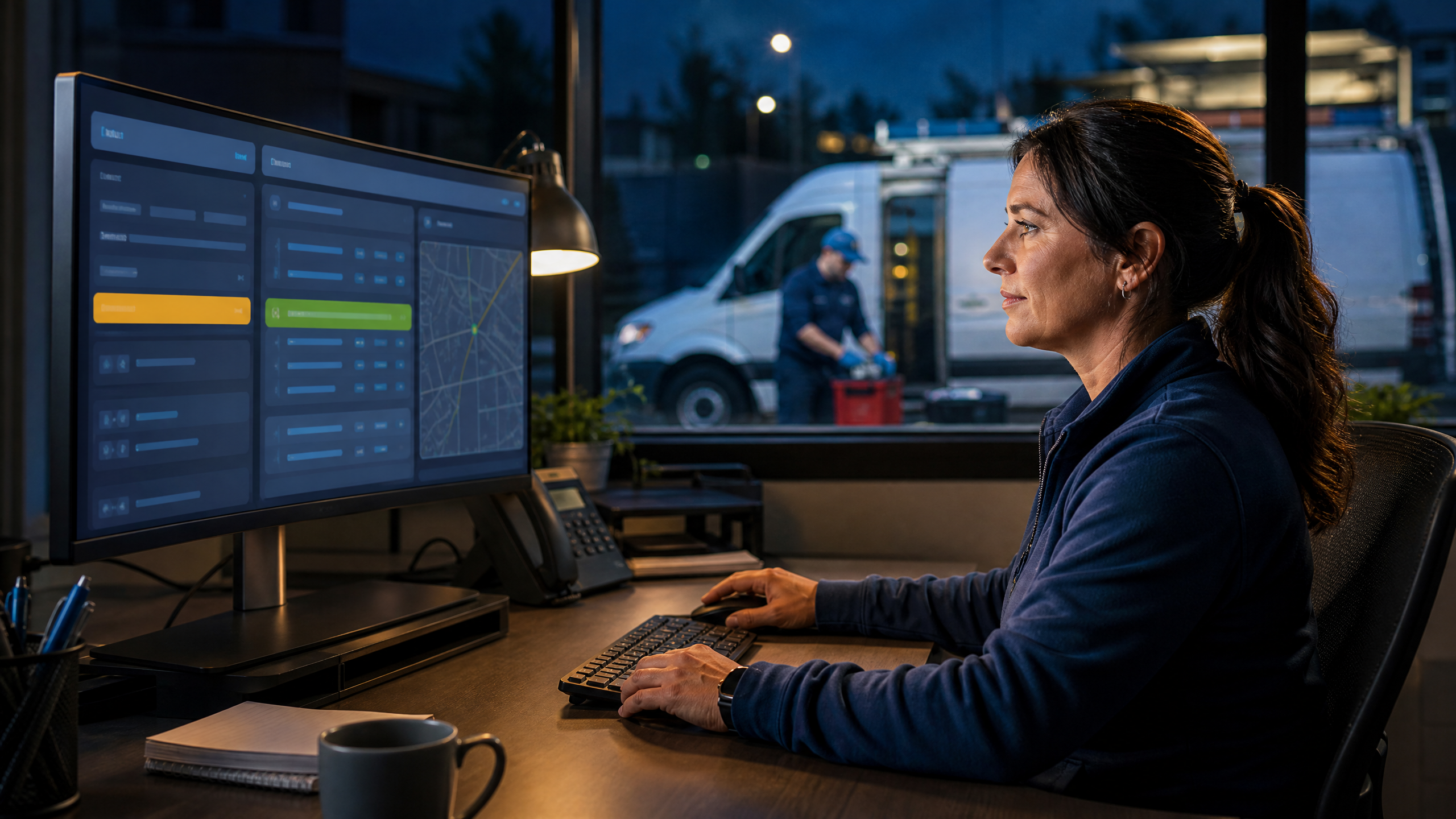
MOLA can be configured with the service categories, business hours, geographic coverage, escalation contacts, and booking rules that reflect how an HVAC operation actually runs. For urgent safety or comfort situations, the AI receptionist can collect critical details and escalate according to the business’s defined process. For routine repairs and maintenance, it can guide the customer toward the right booking pathway rather than overloading the on-call queue.
The operational benefit is clarity. Dispatchers receive a useful summary rather than an unexplained missed call. Technicians are assigned with more context. Customers receive a response that reflects the urgency of their situation.
3. Turn qualified conversations into scheduled service visits
Lead capture alone is not the goal. The goal is a confirmed next step. MOLA connects AI reception with appointment booking, so a qualified caller can be guided toward a service visit while their information is still fresh and their intent is high.
That booking workflow should be easy to understand. The AI receptionist confirms the service type, shares the available next-step options defined by the business, and records the outcome in the CRM. If a human needs to take over, the team receives the caller’s details and conversation context instead of starting from zero.
Design the booking flow around the customer’s moment of need
Customers do not think in pipeline stages. They think in moments: “I need a repair,” “I want a tune-up,” or “I need to know whether someone can come today.” MOLA translates that everyday language into a structured service workflow. The front desk can respond quickly, the booking process stays organized, and the CRM becomes a practical operating system for growth rather than a database the team updates after the fact.
4. Keep the customer conversation moving after the booking
A booked visit should not create a communication gap. The strongest service-business front desk continues to support the customer before, during, and after the appointment. MOLA brings AI reception, lead capture, CRM automation, and follow-up into the same customer journey so important details do not disappear between the phone line, the office, and the field.

For example, the CRM can preserve the original concern, note the booked service type, and trigger the appropriate next communication. That may include an appointment reminder, a follow-up on an estimate, a maintenance-plan conversation, or a request for a review after the work is complete. Each interaction strengthens the record of what the customer needs and how the business responded.
“For service businesses, customer response is not a single call. It is a connected sequence: capture, qualify, book, serve, follow up, and build the relationship.”
5. Give the team a CRM they can act on
The value of an AI receptionist is limited if its conversations end up scattered across tools and inboxes. MOLA is built to give service businesses a unified CRM view of calls, messages, booking activity, and follow-up. That creates a more reliable handoff from AI reception to the office and field team.
When everyone can see the customer’s original request and next action, the business can improve response quality without adding more administrative work. Owners can identify recurring inquiry types, refine intake questions, monitor booking handoffs, and improve the processes that shape customer experience during the busiest periods.
How to launch an AI receptionist before your next demand spike
Start by defining the customer interactions your team handles repeatedly: urgent repair calls, routine service requests, maintenance inquiries, estimate requests, after-hours messages, and follow-up questions. Then define which details must be captured, when a conversation should be escalated, and what counts as a successful next step.
With MOLA, service businesses can turn those operating decisions into an AI front desk that is always ready to respond. The purpose is not automation for its own sake. It is a faster, more consistent path from customer need to a documented, bookable service opportunity.
Build a front desk that is ready when customers are ready
Peak-season demand is not the moment to rely on voicemail and fragmented follow-up. MOLA helps HVAC contractors create an always-on customer response layer that captures intent, supports thoughtful triage, advances booking, and keeps the whole team aligned in a leading CRM for service businesses.
Ready to turn more inbound conversations into organized service opportunities? Explore how the MOLA AI Front Desk can help your business answer faster, capture more context, and build a better customer experience from the first call.


